
Embark on your wild journey
Welcome to your Career Journey Portfolio: Wildlife Biology & Conservation. Discover the path to a fulfilling career, understand the field, and chart your course with our comprehensive resources.
Unveiling wildlife biology & conservation
Dive deep into the world of wildlife biology and conservation. Learn about market statistics, daily duties, and the profound motivation behind this vital work. Explore how your passion can protect our planet's biodiversity.

Your career compass
- Destination
- Road Map
- Packing List
- Shopping List
- Communities
- References

DESTINATION PAGE
Field Description
Wildlife biology and conservation is a scientific field focused on studying wild animals and their habitats in order to protect biodiversity and promote sustainable ecosystems. Professionals in this field may work as wildlife biologists, conservation scientists, ecological technicians, or environmental consultants.
Market / Labor Statistics
According to the U.S. Bureau of Labor Statistics (BLS):
- Median pay (Wildlife Biologists & Zoologists): ~$67,000 per year
- Projected job growth: ~4% (steady growth)
- Employers include state wildlife agencies, federal agencies (like U.S. Fish and Wildlife Service), environmental consulting firms, research institutions, and nonprofits.
Day-to-Day Duties
- Conducting field surveys
- Collecting biological samples
- Tracking wildlife populations
- Analyzing habitat data
- Writing environmental reports
- Using GIS and research software
- Collaborating with government and conservation organizations
Personal motivation
- Your volunteer work at York County Animal Shelter
- Your Eagle Scout leadership experience
- Your hands-on outdoor field skills from utilities work
- Your motivation to protect wildlife and natural habitats

Required Education
- Bachelor’s Degree in Wildlife Biology or Conservation
- Possible Master’s Degree for advanced research positions
- Coursework in ecology, zoology, GIS, statistics
Certifications / Credentials
- CPR/First Aid
- GIS certification
- Field research certifications
- Safety training (you already have confined space & OSHA-related training)
Internships / Experience
- State wildlife agencies
- National parks
- Research labs
- Environmental consulting firms
- Nonprofits like National Wildlife Federation
Potential Detours / Obstacles
- Competitive internships
- Seasonal employment
- Physically demanding fieldwork
- Grant-dependent funding
How You’ll Overcome Obstacles
- Build experience early
- Network through professors
- Continue volunteering
- Use your strong work ethic from utilities fieldwork


Career roadmap

Packing list
skills
- Strong work ethic
- Field safety training
- Equipment operation
- Blueprint reading (translates to map reading & site layouts)
- Physical endurance
- Teamwork
- Leadership (Eagle Scout)
- Volunteer service experience
Resources:
• Hudson University professors
• Utility field experience
• Fraternity network (TKE)
• Volunteer organizations
Strategies:
• Time management
• Building professional references
• Gaining certifications early
• Applying for internships consistently

Shopping list
Skills to Gain:
- GIS mapping
- Statistical analysis (R or SPSS)
- Scientific writing
- Grant writing
- Wildlife population modeling
Resources to Gather:
- Research assistant position
- Summer internships
- Faculty mentorship
- Professional memberships (such as The Wildlife Society)
Strategies:
- Attend conferences
- Build LinkedIn profile
- Publish undergraduate research
- Seek recommendation letters early
Academic Community
• Hudson University professors
• Academic advisors
• Research mentors
Professional Community
• State wildlife agencies
• Environmental nonprofits
• Federal agencies like National Park Service
Personal Community
• Family support
• Fraternity brothers (TKE)
• Volunteer organizations
• Former employers
Digital Communities
• LinkedIn professional groups
• Conservation forums
• Online GIS communities
• Professional organizations

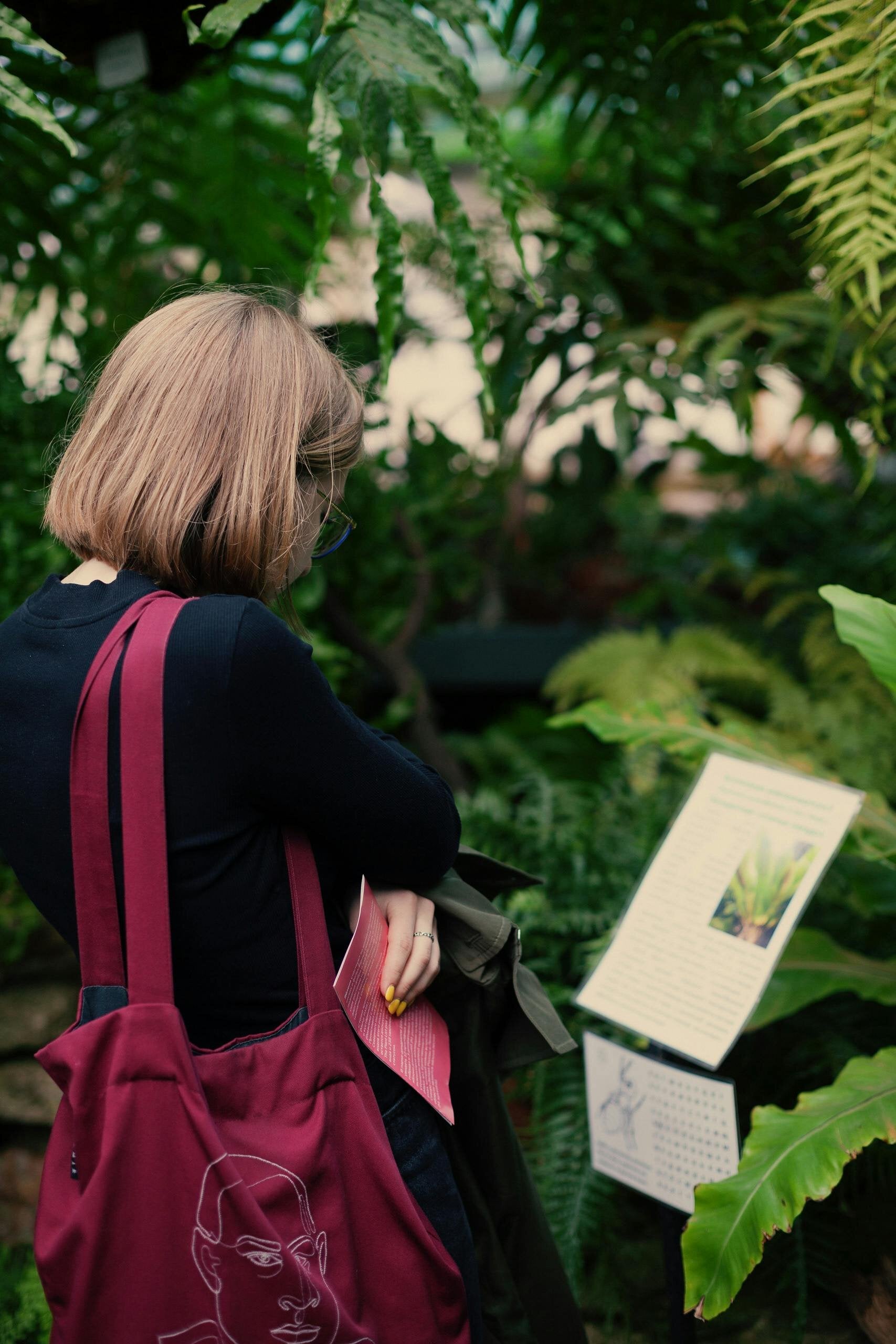
This portfolio is a personal journey into the world of wildlife biology and conservation, crafted with dedication and a deep passion for the natural world. It reflects a commitment to understanding and contributing to this vital field.
About this portfolio
Charting a course for conservation
Our portfolio is dedicated to providing a clear and comprehensive guide for aspiring wildlife biologists and conservationists. We aim to inspire and inform, helping you make a tangible impact.

"This portfolio offers incredible clarity on navigating the wildlife biology field. A truly invaluable resource for anyone passionate about conservation."
Dr. Anya Sharma, University Professor
"The 'Career Roadmap' section is a game-changer! It helped me visualize my path and identify crucial steps I hadn't considered."
Kai Lee, Aspiring Conservationist
"From market statistics to community building, this portfolio covers every aspect of building a career in wildlife. Highly recommend!"
Sarah Chen, Wildlife Sanctuary Volunteer
Resources
Bureau of Labor Statistics. (2024). Zoologists and wildlife biologists. U.S. Department of Labor. https://www.bls.gov
National Wildlife Federation. (2024). Careers in wildlife conservation. https://www.nwf.org
The Wildlife Society. (2024). Professional development resources. https://wildlife.org
Connect with us
Our location
Career Journey Portfolio: Wildlife Biology & Conservation
Atlanta, Georgia, United States
Create Your Own Website With Webador